
We may earn money or products from the companies mentioned in this post.
Choosing home security devices starts with a simple question: what do you want to improve at your home? A stronger door, an opening alert, a clearer view of the porch and a phone notification each call for different features.
This guide compares seven categories and the questions to ask before buying. These are buying considerations, not hands-on product test results or a ranking of specific brands.
Quick answer: Match each purchase to one clear job. Check the condition of your doors and locks, identify the openings or areas you want to monitor, and decide who should receive an alert. You may need only a few of these devices.
Considering a bundle? Our Anti-Looter Kit review explains the advertised package and the details to confirm before ordering.
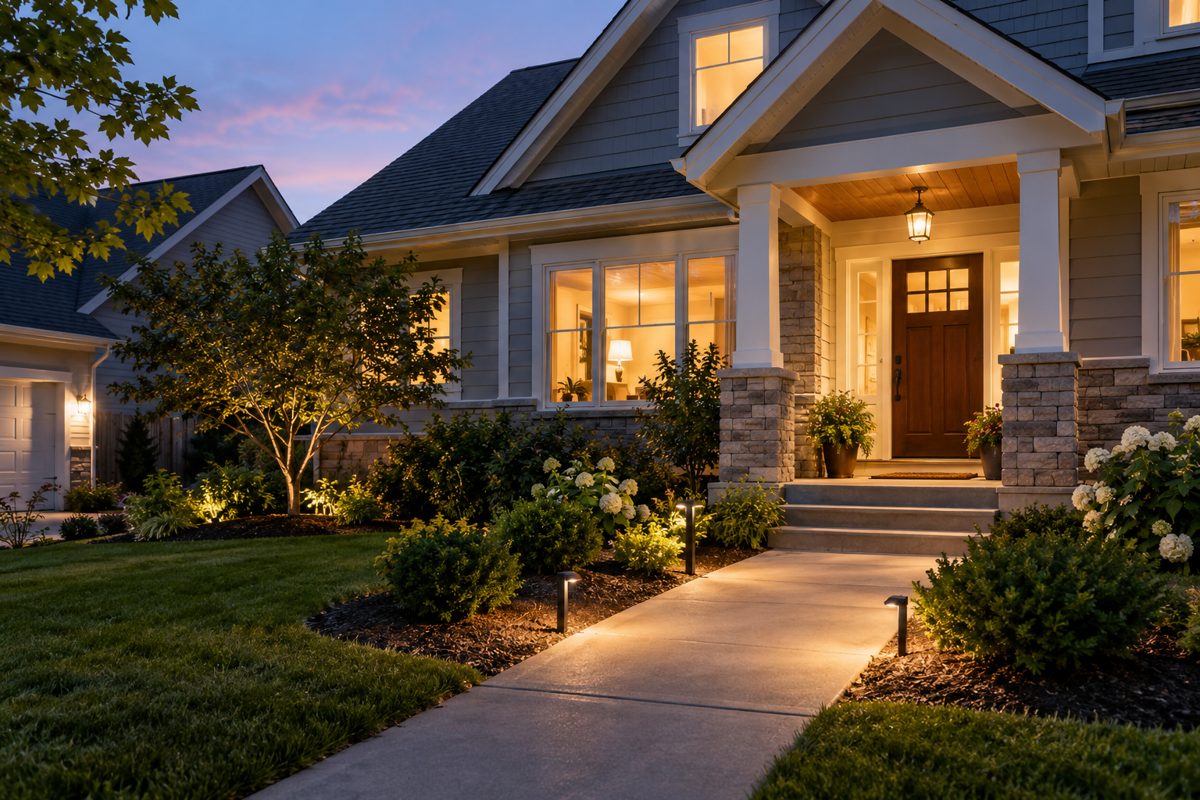
Compare the seven options
| Device category | Job to consider it for | Check before buying |
|---|---|---|
| Deadbolt and reinforced door hardware | Improving the physical entry point | Door, frame and hardware compatibility |
| Door and window contact alarms | Detecting an opening | Sensor alignment and alert destination |
| Interior motion sensors | Detecting movement in a chosen area | Coverage, pets and placement |
| Motion-activated outdoor lights | Lighting an entrance or approach | Weather suitability, power and aiming |
| Security camera or video doorbell | Viewing activity near the home | Recording, subscriptions and privacy |
| Portable doorstop alarm | A removable door alarm where suitable | Door direction, clearance and safe exit |
| Wide-angle door viewer | Seeing a visitor before opening | Viewing height and door compatibility |
Know where the alert goes. A local siren, a notification on your phone and a professionally monitored service are different arrangements. Ask the seller to explain exactly what the device does, what connections it needs and who is expected to respond.
1. A suitable deadbolt and reinforced door hardware
A lock is one part of the entrance. The door, frame, hinges and strike plate also deserve attention. Seattle Police home-security guidance recommends secure deadbolts and reinforced doors and frames.
Before ordering hardware, ask a qualified installer to assess a damaged, loose or poorly fitting entrance. Find out whether the proposed parts suit your door material and existing fittings. Renters should check the property owner’s requirements before changing hardware.
Buying question: Does this purchase address the condition of my actual entrance? An electronic feature or attractive finish does not answer that question.
2. Door and window contact alarms
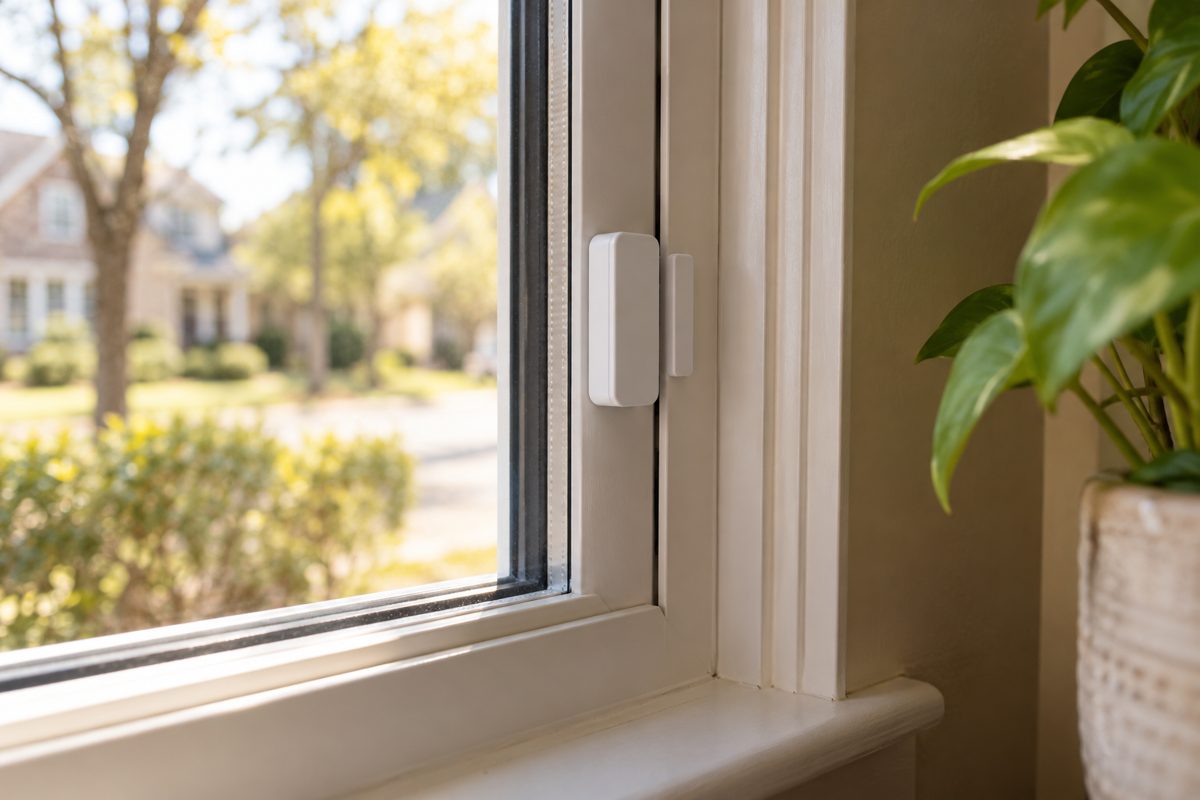
A common magnetic contact sensor detects when its two parts separate as a door or window opens. The City of Tacoma describes this basic operation in its residential burglary-prevention booklet.
Count the openings you want to cover and inspect the mounting surfaces. Ask about the permitted gap between parts, adhesive or screw mounting, batteries and how the alarm is armed and silenced. Confirm whether the product sounds at the opening, connects to a separate hub or sends remote alerts.
Buying question: Will every intended opening work with this sensor’s mounting instructions, and will the alert reach the person who needs it?
3. Interior motion sensors
Motion sensors detect movement within their coverage area. Tacoma’s booklet notes that pets can trigger false alarms, making placement and household routines part of the decision.
Sketch where you intend to place each sensor. Then ask the manufacturer about detection coverage, mounting height, pet-related limitations and compatibility with any hub you already own. If someone gets up during the night, find out how the system can be configured for that routine.
Buying question: Can I use and test this sensor in the intended room without repeatedly triggering unwanted alerts? Follow the specific installation and testing instructions.
4. Motion-activated outdoor lights
Start with the area you need to see: a side entrance, steps, garage approach or back door. Seattle Police recommends directing motion-sensor lighting at entry points and vulnerable areas while avoiding light spilling onto neighboring property.
Check outdoor ratings, power requirements and mounting options. For a solar-powered model, ask about sunlight requirements and expected operation in the conditions at your chosen location. For a wired fixture, establish who will install it and include that cost in your comparison.
Buying question: Will the light illuminate the useful area without creating glare? A light shaped like a camera should not be assumed to record video.
5. A security camera or video doorbell
Choose the view you need before choosing a camera. A porch, driveway and indoor room present different placement and privacy questions. Ask whether the device provides live viewing, saved recordings or both, and which features require a subscription.
The Federal Trade Commission recommends researching encryption, keeping camera and app software updated, using strong unique passwords and enabling two-factor authentication when available. Review who can view recordings or change settings.
Buying question: Can I see the area I care about, understand the ongoing costs and control access to the footage? Confirm what happens if power or internet service fails.
6. A portable doorstop alarm that fits the door
Fit matters with an alarmed door wedge. For example, the SABRE HS-DSA manufacturer’s instructions specify an inward-swinging door, a suitable gap beneath it, dry indoor use and firm floor contact. Those requirements describe that model, not every doorstop alarm or the Anti-Looter Kit’s device.
Check the exact product’s instructions, battery requirements and testing procedure. Consider who would need to remove it and how easily they can do that.
Buying question: Is this device compatible with the door and the household’s ability to leave promptly? Treat safe exit as a requirement when evaluating any extra door hardware.
7. A wide-angle door viewer
A door viewer, often called a peephole, gives you a way to look outside while the door stays closed. Tacoma includes a wide-angle viewer among its entry-door recommendations.
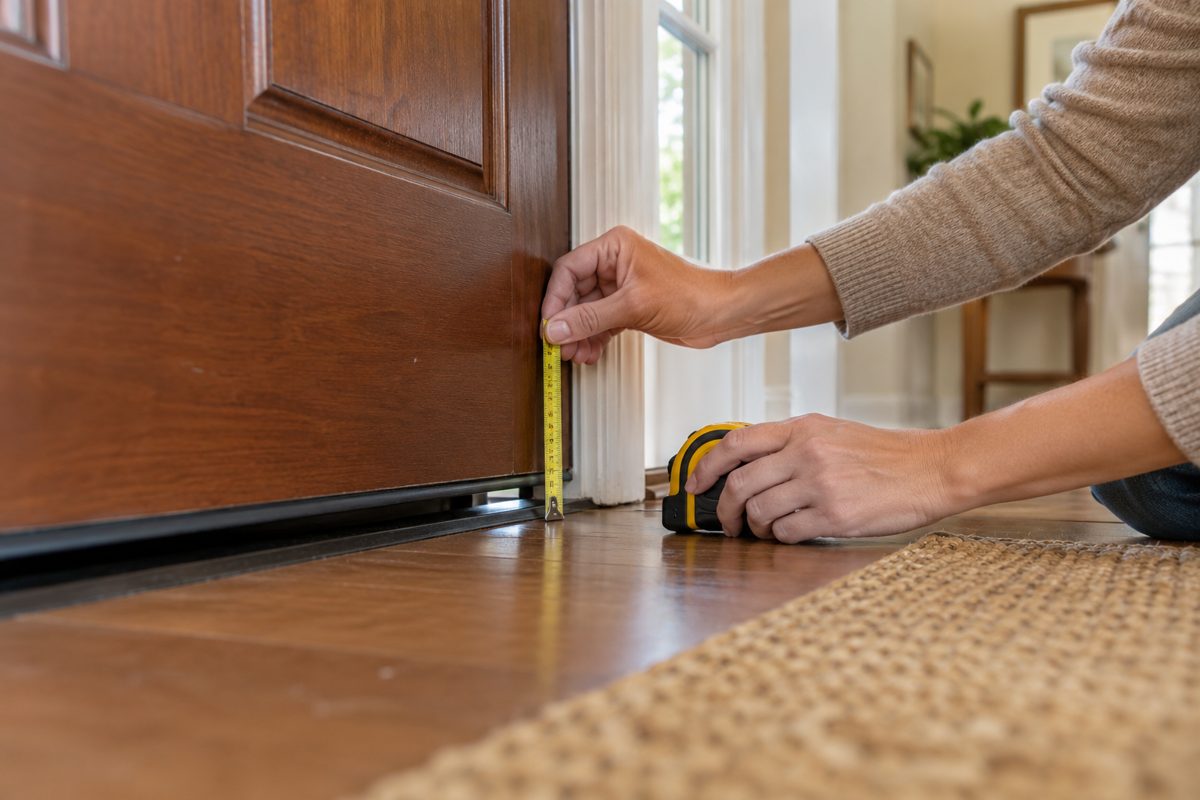
Check the door’s thickness, installation requirements and a viewing height that works for the intended users. Consider whether a small optical viewer is comfortable to use or whether another viewing arrangement would better meet accessibility needs. Ask permission before drilling a rented property’s door.
Buying question: Can the people who use this entrance comfortably see who is outside before deciding whether to open it?
Build a small shopping list around your home
Write down your three main concerns, where each occurs and what response you want. For example: improve a loose front-door fitting, receive an alert from an accessible window, or see the side path after dark. Match one purchase to each concern before adding more equipment.
- Fit: Measure the location and check mounting restrictions.
- Power: List batteries, charging, wiring and any backup requirements.
- Alerts: Establish who receives them and what they will do.
- Total cost: Include installation, replacement batteries, storage and optional services.
- Support: Keep the instructions, purchase record and return terms.
The U.S. Fire Administration advises planning two ways out of every room, keeping doors and windows unobstructed, choosing an outside meeting place and practicing the escape plan. Applying that guidance here means checking that any security addition remains compatible with a quick exit.
Where the Anti-Looter Kit fits into the comparison
The seller advertises a bundle that includes motion sensors, door/window alarms, an alarmed door wedge and a floodlight, among other items. The sales page also advertises smartphone notifications for the motion sensors. We have not independently tested these features.
If you are considering the bundle, read our Anti-Looter Kit review and confirm the app name, device compatibility, power requirements, delivered price and return arrangements. The seller’s current offer is the place to verify current package details. Do not assume that a bundle includes professional monitoring.
Choose devices you can use consistently
Your next purchase should solve a specific problem at your home and fit the way your household lives. Compare clear specifications, manageable upkeep and a practical response plan. Start with the priorities you can explain, then add equipment only when it serves a useful purpose.